top of page

Unveiling the Future of AI: What Lies Ahead for Artificial Intelligence (character ai)


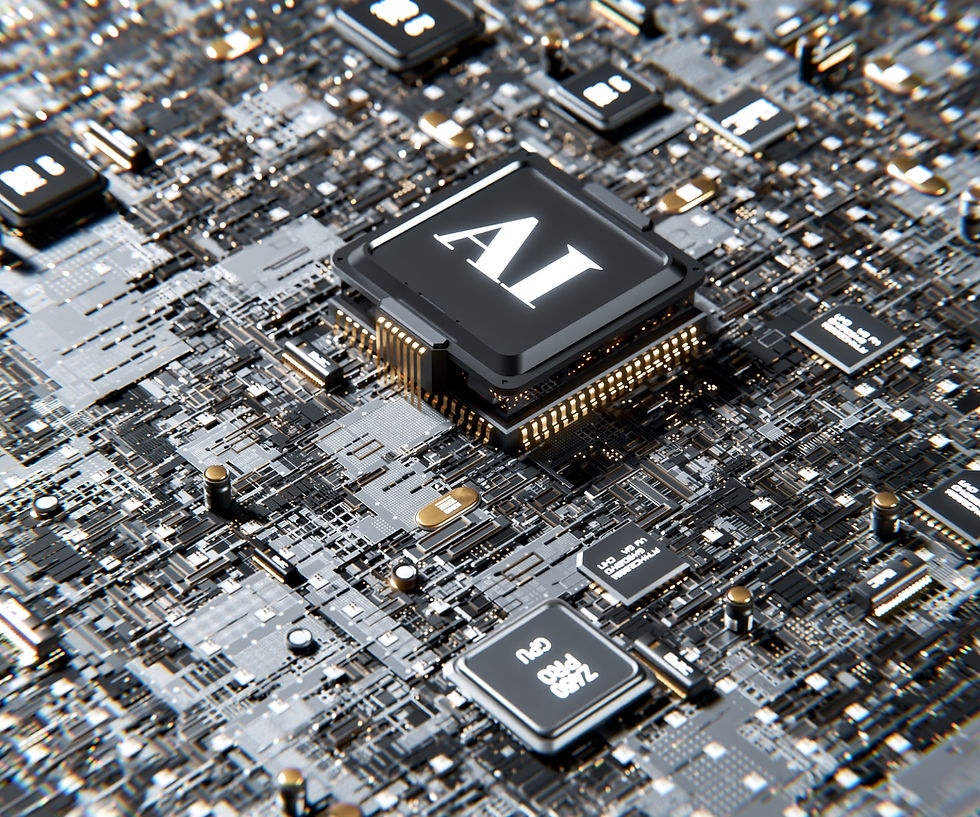
motherboard AI

Artificial Intelligence (AI) has rapidly evolved over the past few years, revolutionizing industries and impacting our daily lives in ways we couldn’t have imagined. As we delve deeper into the realms of AI, it is crucial to explore what lies ahead for this groundbreaking technology. The future of AI holds endless possibilities and potential, from advancements in machine learning and natural language processing to the integration of AI in various sectors such as healthcare, finance, and transportation. Join us on this journey as we unveil the exciting future of character ai and the transformative impact it will have on society.


1. Advancements in AI technology

Artificial Intelligence (AI) technology has made remarkable advancements in recent years, and the future holds even more exciting possibilities. One of the key areas where AI is advancing rapidly is in deep learning and neural networks. These technologies have enabled AI systems to process vast amounts of data and learn complex patterns, leading to significant improvements in areas such as natural language processing, image recognition, and autonomous driving.Moreover, AI is increasingly being integrated into various industries, transforming how businesses operate and improving efficiency and productivity. For example, AI-powered chatbots are revolutionizing customer service by providing instant and personalized support to users. In healthcare, AI is being used to analyze medical images, diagnose diseases, and even predict patient outcomes.As AI continues to evolve, we can expect to see even more sophisticated applications across different sectors. From personalized shopping experiences to advanced cybersecurity solutions, the possibilities are endless. With ongoing research and development, the future of AI holds tremendous potential for shaping the way we live, work, and interact with technology.


2. AI in different industries

Artificial Intelligence (AI) is revolutionizing industries across the board, offering innovative solutions and transforming the way businesses operate. In the healthcare industry, AI is enhancing diagnostics, drug discovery, and personalized medicine, leading to more accurate and efficient patient care. AI-powered chatbots and virtual assistants are revolutionizing customer service in the retail and e-commerce sectors, providing personalized recommendations and improving the overall shopping experience. Moreover, in finance and banking, AI is used for fraud detection, risk assessment, and algorithmic trading, boosting efficiency and security. The automotive industry is utilizing AI for self-driving technologies, enhancing safety and convenience on the roads. As AI continues to evolve, its applications across various industries will only expand, driving innovation and shaping the future of technology.


3. Ethical considerations in AI development

As we delve deeper into the realm of artificial intelligence (AI), it is paramount to consider the ethical implications that come hand in hand with its development. AI has the potential to revolutionize industries, improve efficiencies, and enhance our daily lives. However, as AI becomes more prevalent, ethical considerations must be at the forefront of its development. One of the primary ethical concerns in AI development is bias. AI algorithms are trained on data, and if that data is biased, the AI system will perpetuate those biases. It is essential to ensure that AI systems are trained on unbiased and diverse datasets to avoid perpetuating societal inequalities.Another crucial ethical consideration is transparency. AI systems can often operate as black boxes, making it challenging to understand how they arrive at their decisions. It is essential for developers to strive for transparency in AI systems to build trust and accountability. Additionally, privacy and data security are paramount in AI development. As AI systems collect vast amounts of data, there is a risk of infringing on individuals' privacy rights. Developers must prioritize data protection and implement robust security measures to safeguard sensitive information.Furthermore, the impact of AI on the workforce and job displacement is a significant ethical concern. As AI technology advances, certain jobs may become obsolete, leading to unemployment and economic disparities. It is crucial to address these societal impacts and implement strategies to reskill and upskill the workforce to adapt to the changing landscape.In conclusion, ethical considerations in AI development are crucial to ensuring that AI technology is developed and deployed responsibly. By addressing issues such as bias, transparency, privacy, data security, and workforce impact, we can harness the power of AI to benefit society while upholding ethical standards.


4. Conclusion and outlook for the future.

As we delve deeper into the realm of artificial intelligence, the future appears to be both promising and challenging. The rapid advancements in AI technology have revolutionized various industries, including healthcare, finance, and transportation. However, with these advancements come ethical concerns regarding data privacy, bias, and the potential impact on the job market.Looking ahead, it is crucial for researchers, policymakers, and industry leaders to collaborate and establish guidelines that prioritize ethical AI development. Transparency and accountability must be at the forefront of AI innovation to ensure that these technologies are used responsibly and for the betterment of society.While there are challenges to overcome, the future of AI holds immense potential to transform our world for the better. As we continue to push the boundaries of artificial intelligence, it is essential to remember that the ultimate goal is to create a more efficient, sustainable, and inclusive future for all. By working together and embracing the possibilities of AI, we can shape a future that harnesses the power of technology to drive positive change.


Comments


bottom of page